Lift a floor vent and catch that damp, musty smell? Water’s probably getting into your crawl space.
Ignore it long enough and you’re looking at wood rot, mold, pests, even sagging floor joists. A solid crawl space drainage system stops that water before it causes real damage.
This guide covers the three approaches that actually work: interior drains, sump pumps, and exterior grading. Some homes need just one. Most need a combination.
Keep reading to learn about interior drains, sump pumps, and exterior grading, and when each solution works best.
Why Crawl Spaces Flood in the First Place
Before picking a drainage system, figure out where the water’s actually coming from.
Usual suspects include grading that slopes toward the house instead of away from it, gutters and downspouts dumping rainwater right next to the foundation.
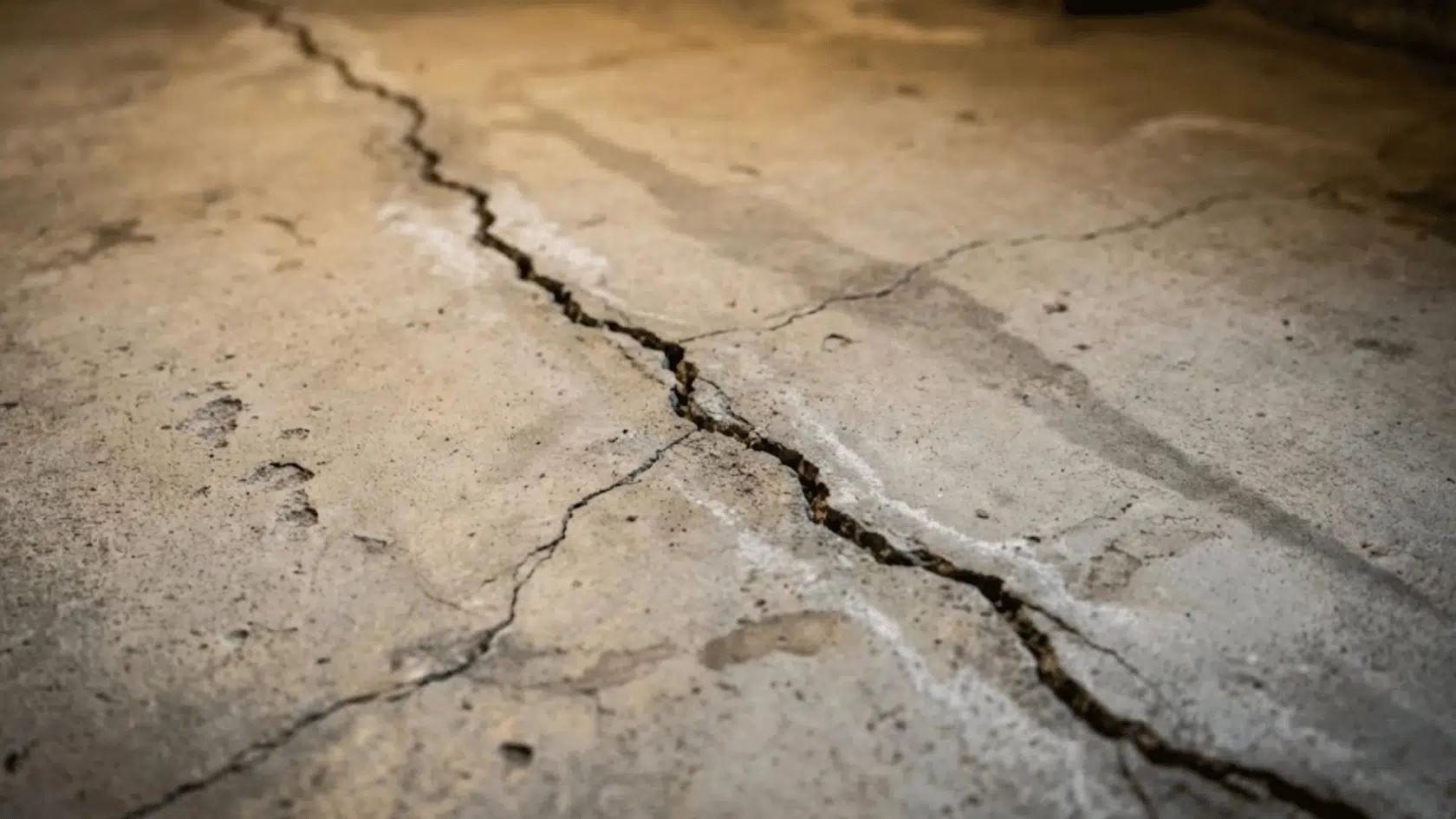
A high water table or clay soil holding moisture close to the walls, cracks in the foundation or footing letting groundwater in, and condensation where humid air meets cooler crawl space surfaces.
Most houses have more than one of these going on at once. That’s why the plans that actually work pair an exterior fix with something inside; relying on just one rarely holds up.
Different Drainage Solutions for Crawl Spaces
There’s no single fix that works for every crawl space. What you need depends on where the water’s coming from and how bad the problem already is.
Most homes end up needing more than one of these working together.
Interior Drainage Systems (French Drains)
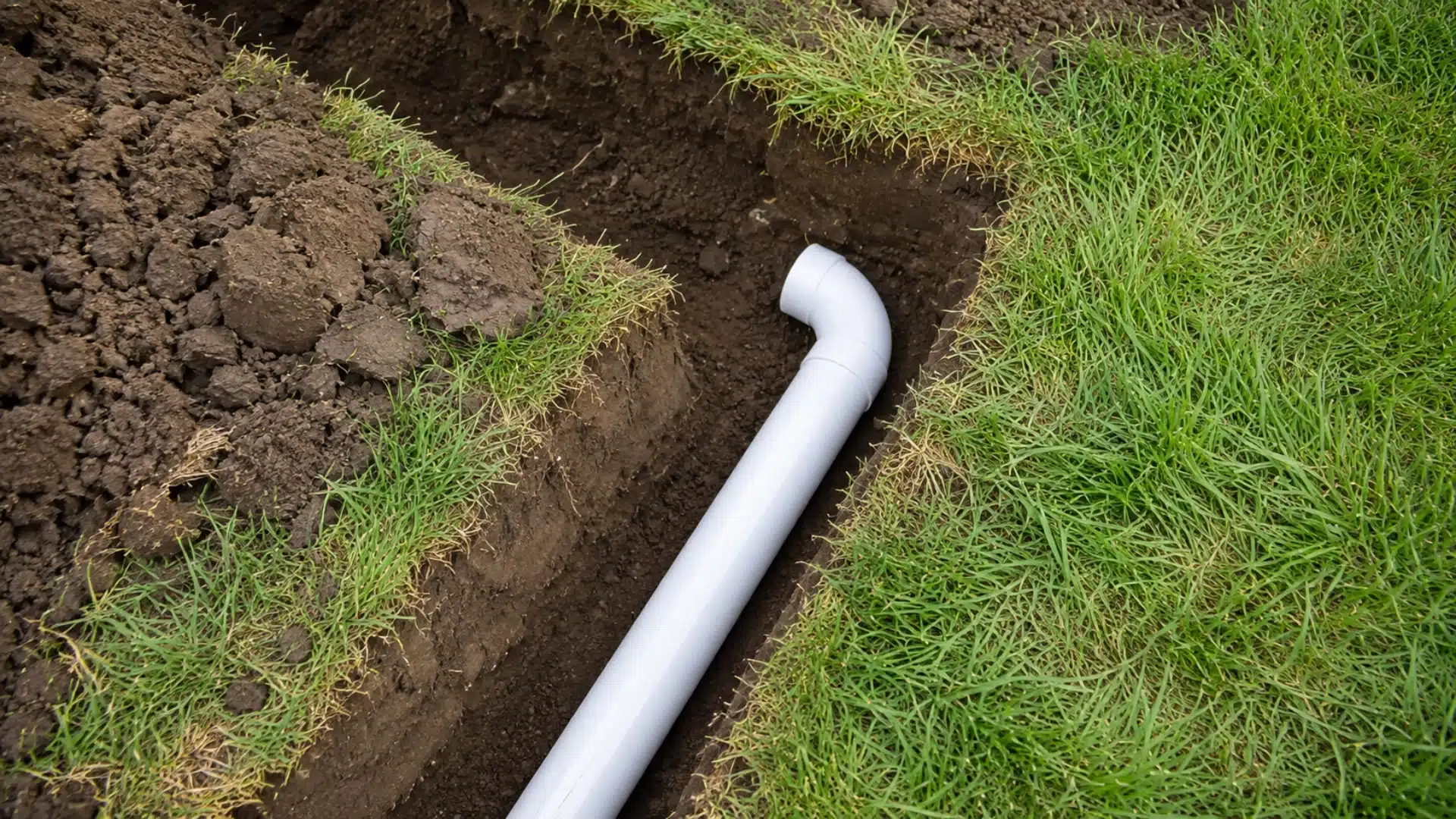
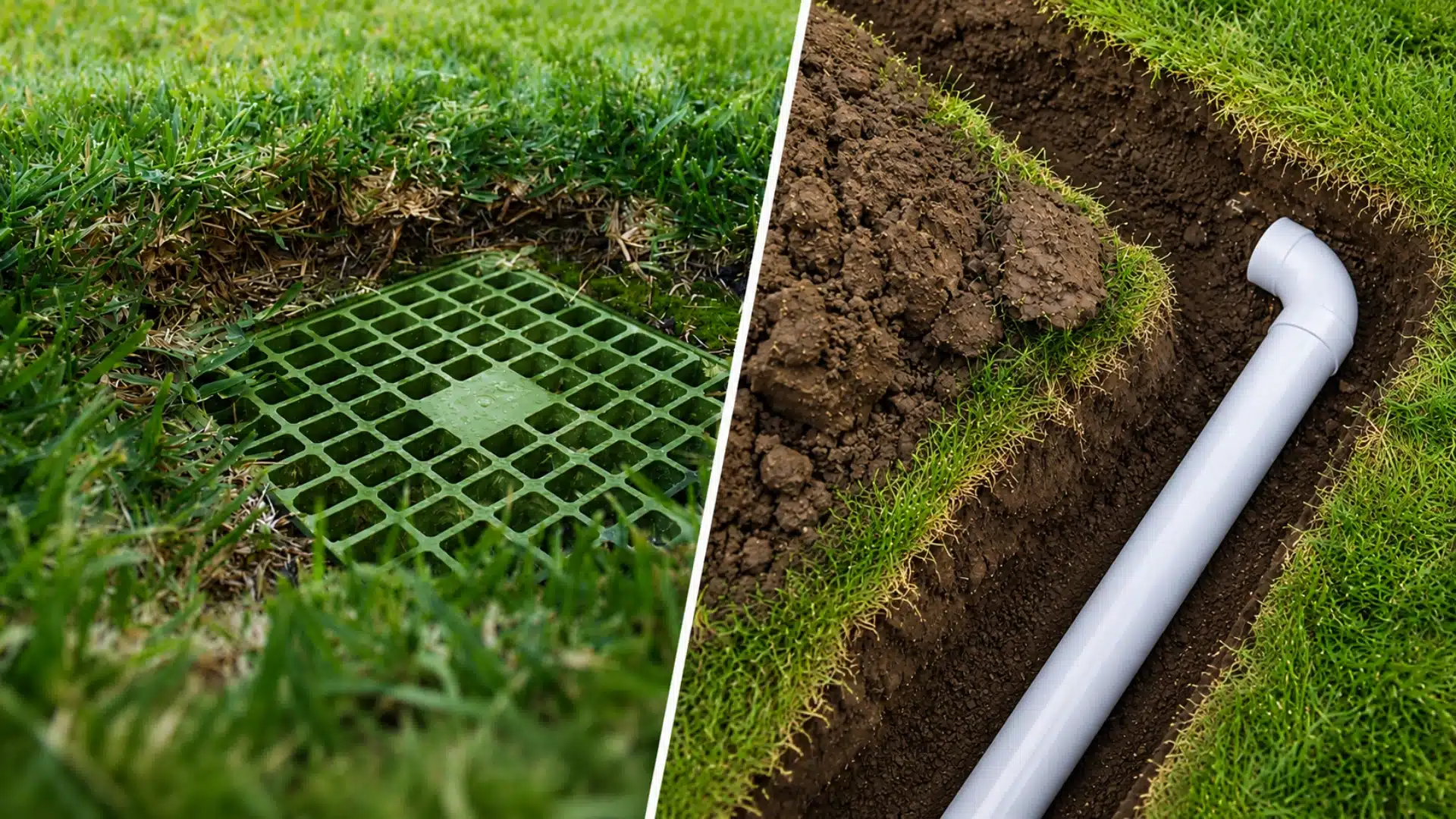
An interior drain, or French drain, runs along the inside edge of the footing.
How It Works: Water from the walls or ground flows into a perforated pipe in gravel instead of pooling on the floor, then heads to the sump pit.
Best for: Homes with active wall/floor leaks, or tight lots where outside digging isn’t an option.
Things to Consider: Pair with a vapor barrier and sump pump. Water sitting in the pipe with nowhere to go defeats the purpose.
Sump Pump Systems
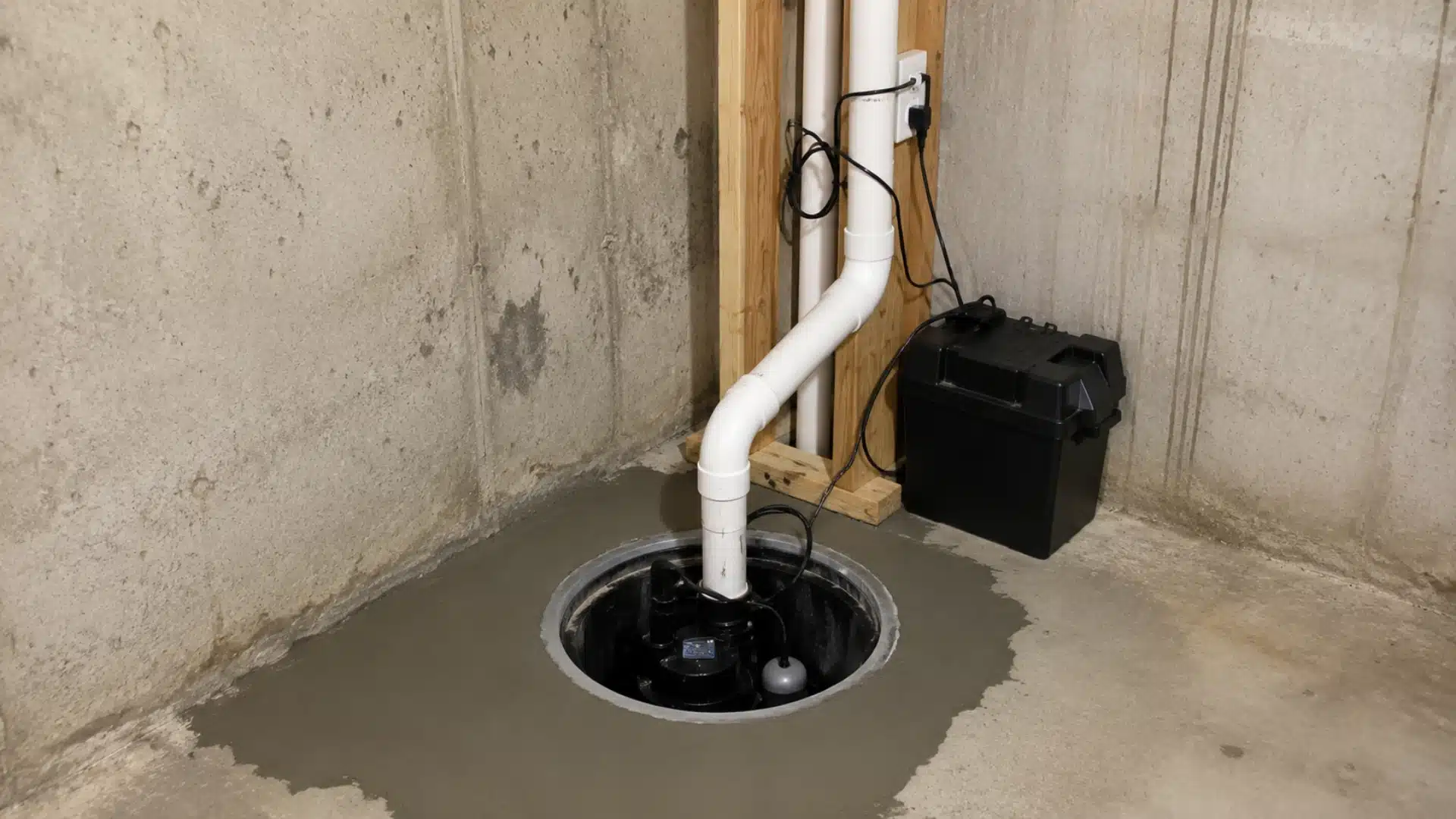
A sump pump sits in a basin at the crawl space’s lowest point, kicking on automatically once water rises high enough.
Key Components:
- Sump basin collects water from interior drains or groundwater
- Primary pump is submersible, sized to the crawl space
- Battery backup keeps running if power drops during a storm
- Discharge line carries water well away so it doesn’t drain back in
Best for: High water tables, heavy rain, homes that have flooded before.
Things to Consider: Test it seasonally and add a battery backup.
Exterior Grading and Drainage
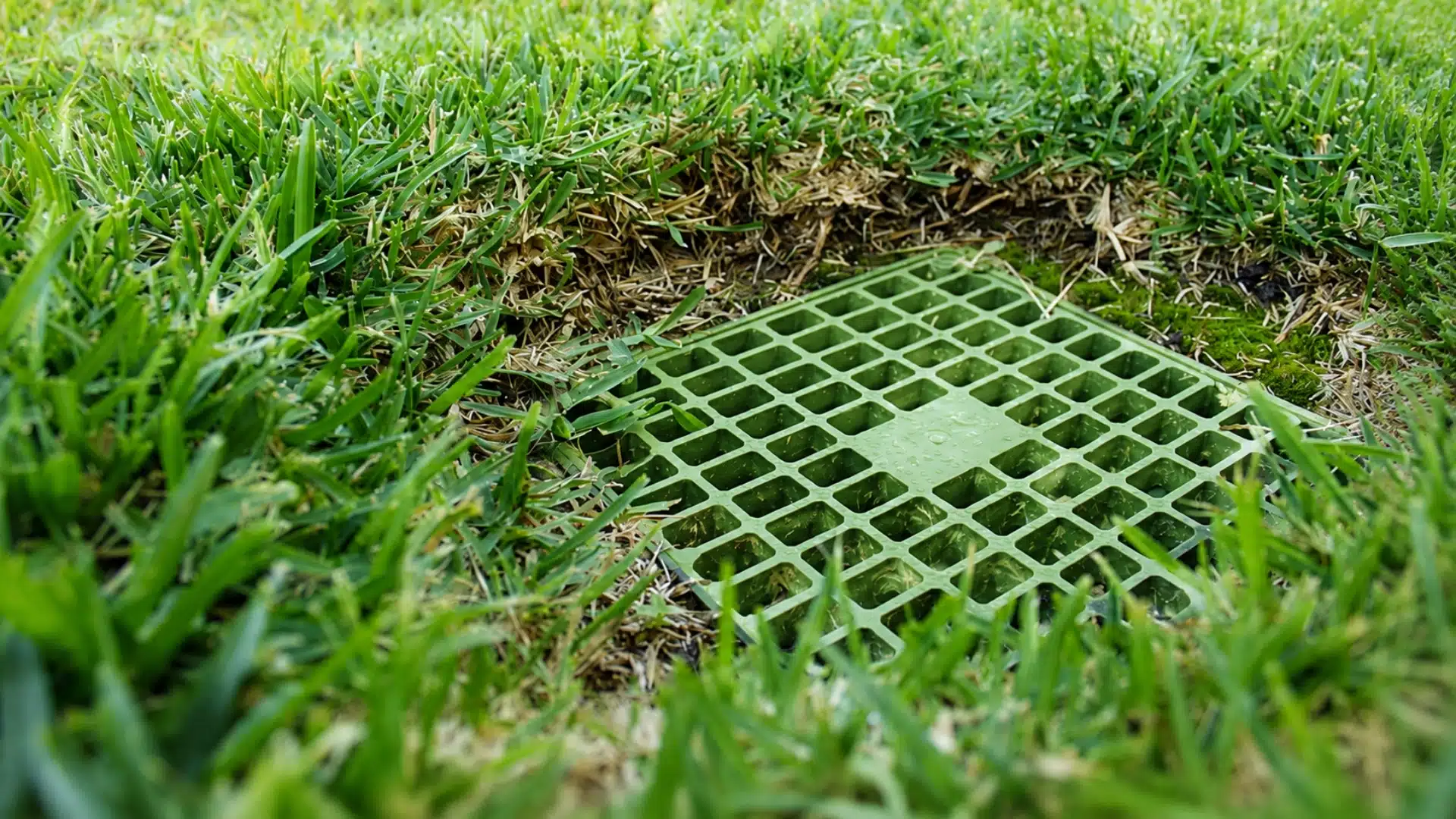
Where interior systems manage water that’s already inside, exterior grading and drainage stop it before it reaches the foundation, sloping soil away from the house (at least 6 inches over 10 feet) so rain doesn’t pool and seep in.
Often Paired with:
- Gutter extensions and downspout diverters moving runoff away from the foundation
- Exterior French drains along the footing to intercept groundwater
- Swales or channel drains where surface water collects
Best for: Surface runoff or bad grading, not high water tables.
Things to Consider: More disruptive and costly, but fixes the root cause.
Choosing the Right Combination
Most crawl space drainage systems work best as a layered approach, not one single fix.
Start outside. Fixing grading and gutter issues first cuts down how much water even reaches the foundation in the first place.
If water’s still getting in through the walls or floor after that, an interior drain catches what the exterior work misses. From there, a sump pump takes over, actively pumping out whatever the system collects instead of letting it sit.
A professional inspection is worth it here. It tells you exactly where the water’s coming from, so you’re not paying for a system that misses the real problem.
Signs Your Crawl Space Needs a Drainage System
A few signs tend to show up before people realize there’s a real problem with your crawl space humidifier: standing water or damp soil after it rains, a musty smell inside (especially near floor vents), mold or mildew you can see on the joists and subfloor.
Floors that feel sagging or springy underfoot, windows fogging up or humidity that just won’t quit, and wood rot or bugs showing up in the crawl space framing.
If even one or two of these sound familiar, get a contractor out to take a look. They’ll tell you whether an interior drain, a sump system, exterior grading, or some mix of the three is what your house needs.
Conclusion
A crawl space drainage system isn’t a single product you install once and forget. It’s a combination of solutions designed to move water away from your foundation and keep the space beneath your home dry.
Since every home faces different drainage challenges, the most effective solution often combines two or more of these methods.
Knowing how each system works helps you make informed decisions and have more productive conversations with waterproofing or foundation professionals.
If you found this guide useful, share it with others, leave a comment below with your questions or experience, and explore more home maintenance tips on our site.
Frequently Asked Questions
Do I Need Both Interior and Exterior Drainage?
Not always. Start with exterior grading and downspout fixes. Add interior drains and a sump pump only if water is still getting in after that.
How Long Does a Crawl Space Sump Pump Last?
Most submersible sump pumps last 7 to 10 years with regular testing. Battery backups typically need replacing every 3 to 5 years.
Will a French Drain Alone Stop Crawl Space Flooding?
Usually not on its own. A French drain redirects water but needs a sump pump to actually remove it from the space.