


Written by
Lena Morrison
I’m Lena Morrison, an Interior Designer and Editorial Specialist at Aldana Ferrer Garcia. I studied interior design at Savannah College of Art and Design and have spent seven years working on residential projects in Atlanta.
My experience spans furniture selection, room layouts, lighting, color planning, organization, and styling.
Over time, I became just as focused on how a space functions as how it looks, a room should work for the people living in it, not just photograph well. I write about color, lighting, furniture, storage and decor with an emphasis on livable, realistic design.
My goal is to help readers make confident decisions about their rooms by focusing on the practical choices that actually improve daily life.

The words retro and vintage often appear together, making it easy to assume they mean the same thing. While both styles borrow inspiration from the past, they represent completely different types of items. Vintage refers to original pieces that come from a specific era, carrying real age, materials and history. Retro describes newer products designed to recreate the look and feel of earlier decades. Knowing the difference helps shoppers avoid paying vintage prices for modern reproductions. Keep reading to understand how retro and vintage compare across fashion, furniture, decor and pop culture. Retro vs Vintage: Key Differences at a Glance
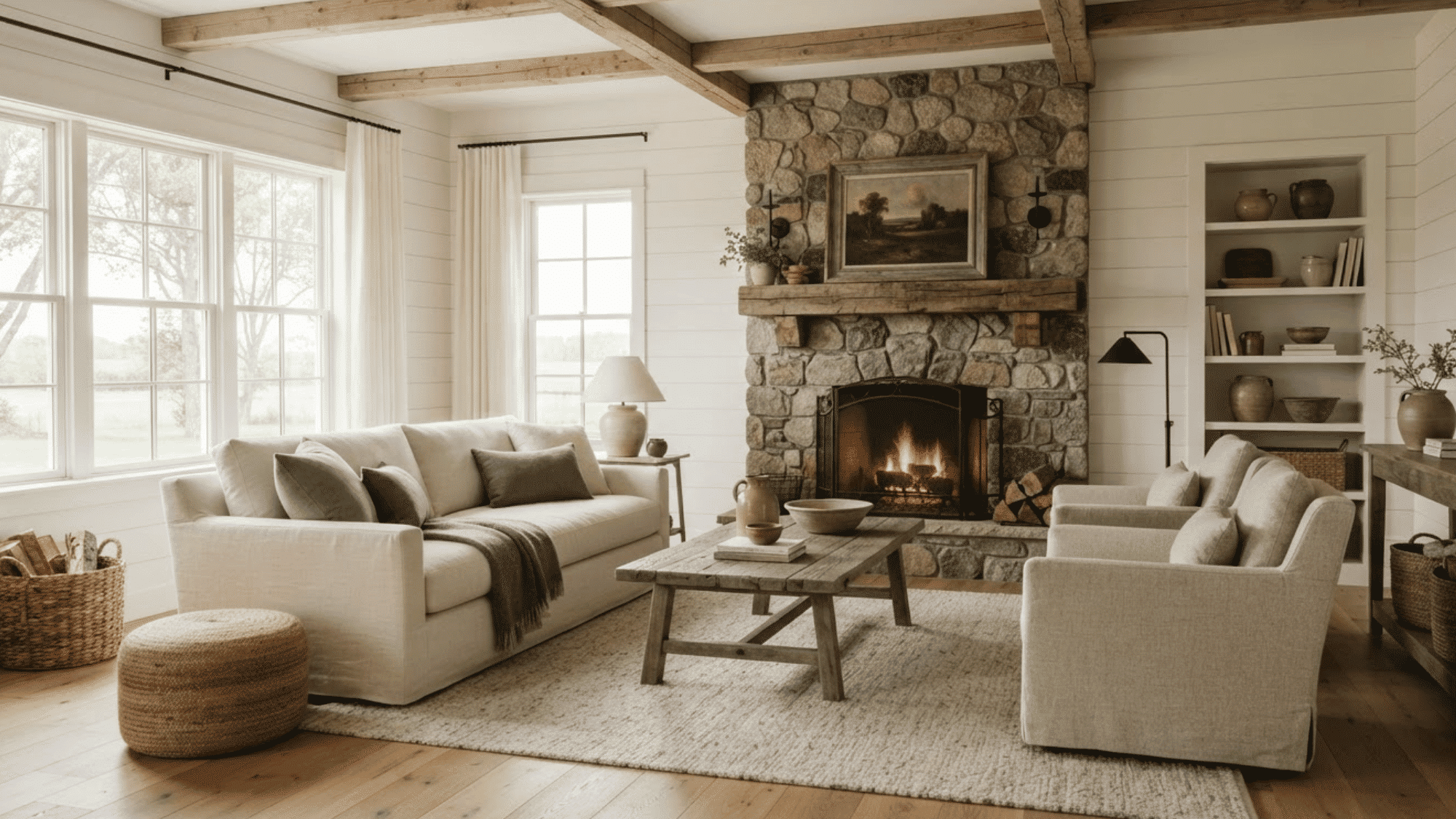
Want a living room that feels warm, useful, and easy to live in? Farmhouse style stays popular because it blends comfort with natural wood, soft fabrics, simple colors, and furniture made for daily use. It can suit an older home with classic details or a newer space with cleaner lines. The key is choosing pieces that feel relaxed without making the room look crowded or overly themed. These farmhouse living room ideas will show you layouts, color schemes, practical furniture choices, and styling examples you can use at home. Keep reading and choose the ideas that best fit your space.
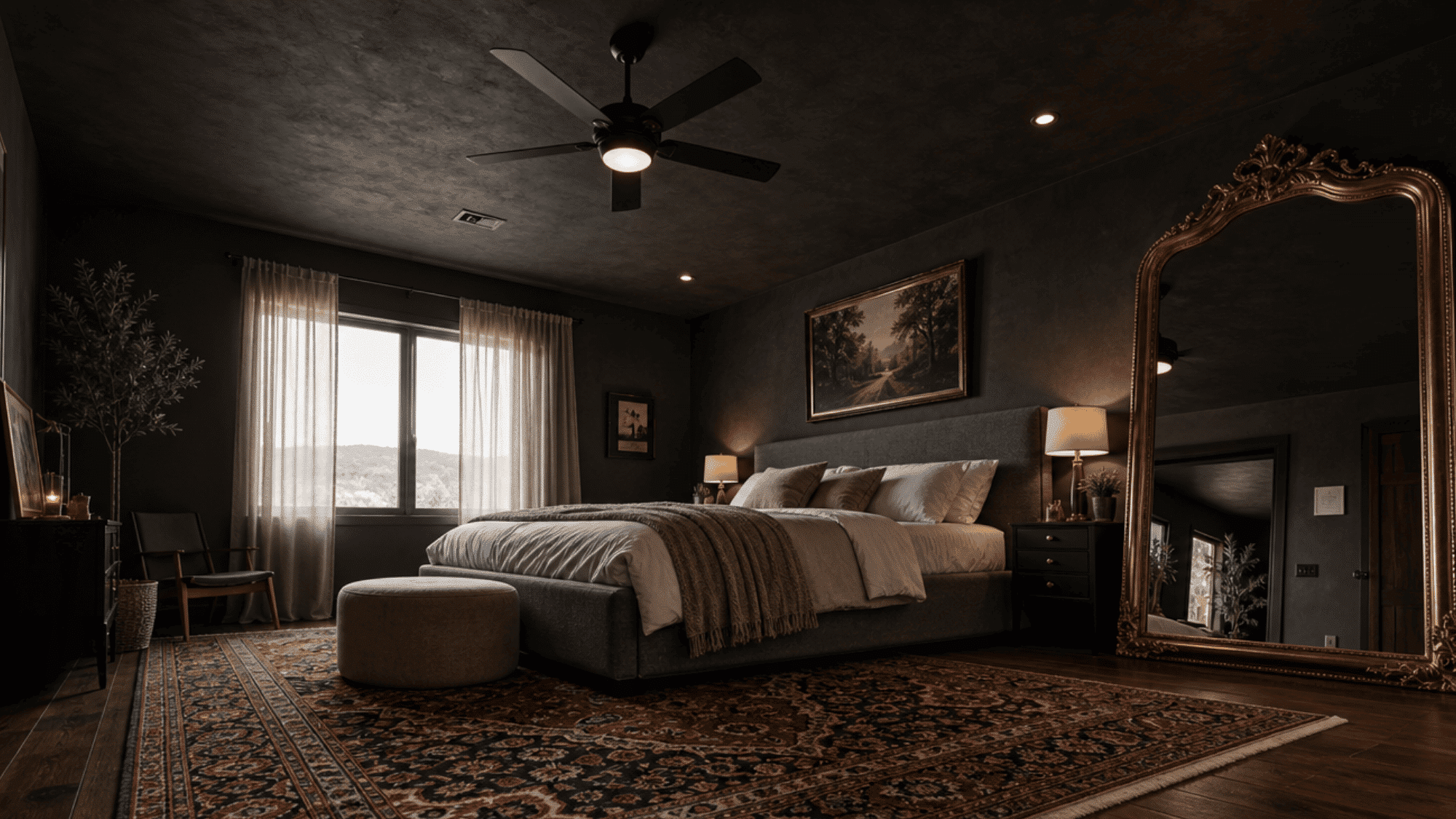
Painting the ceiling the same color as the walls is one of the simplest changes a homeowner can make, and one of the easiest to get wrong. There’s a reason interior designers keep bringing up this particular paint trick when clients want a room to feel different without a full renovation. Some homeowners swear by it, others try it once and go straight back to a plain white ceiling. The difference usually comes down to a few overlooked details rather than personal taste alone. Lighting, room size, and shade selection all play a bigger role than most people expect. If
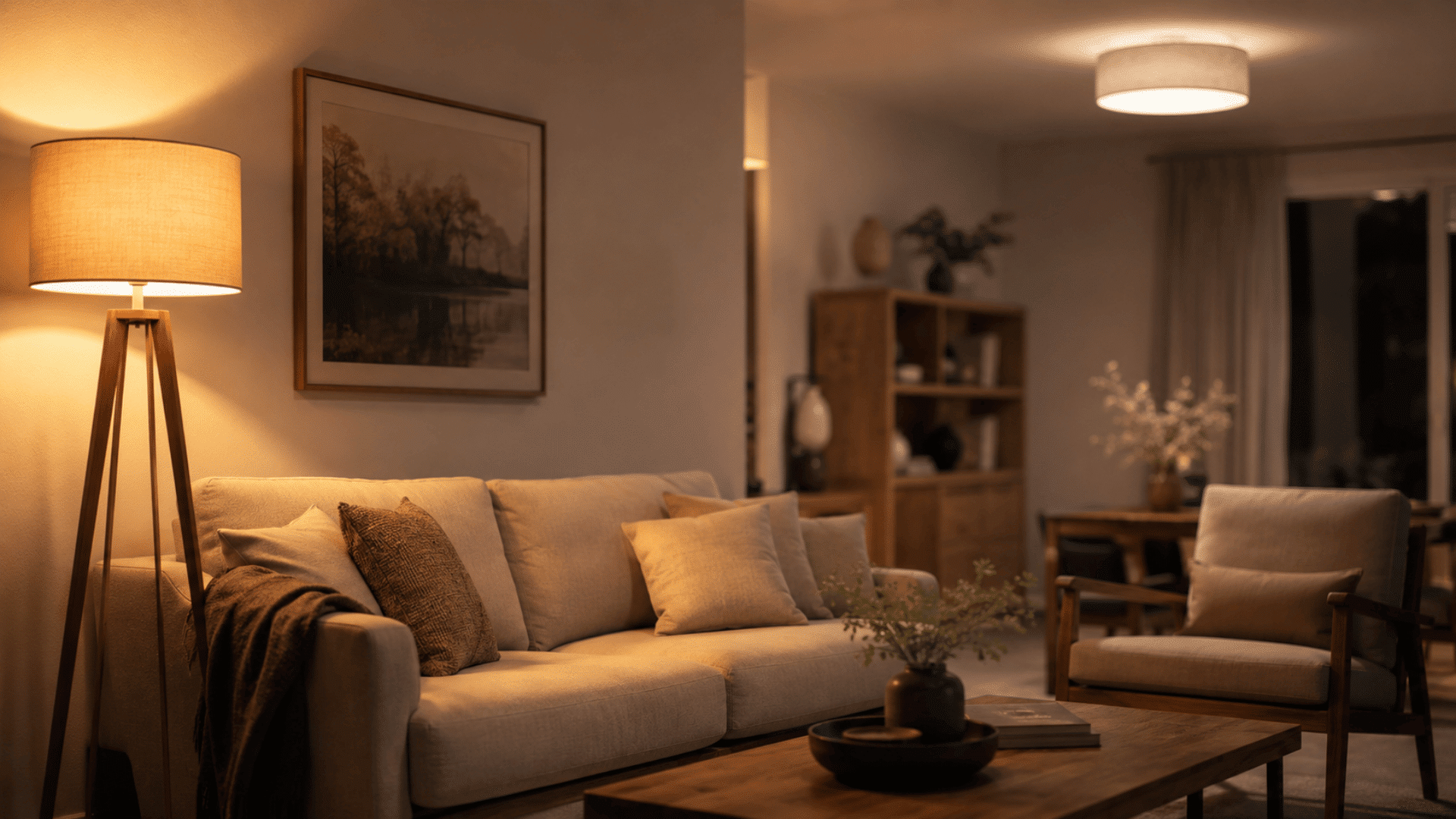
Lighting can change how a room looks, feels, and functions throughout the day. Some bulbs give off a soft, warm glow, while others produce a brighter, cooler light. The Kelvin light scale helps explain these differences and makes it easier to compare bulb colors before buying. Knowing how this scale works can help you choose lighting that suits bedrooms, kitchens, bathrooms, offices, and other spaces. It can also prevent a room from feeling too yellow, too harsh, or poorly lit. Keep reading to understand the Kelvin light scale and learn how to choose a suitable light color for each area
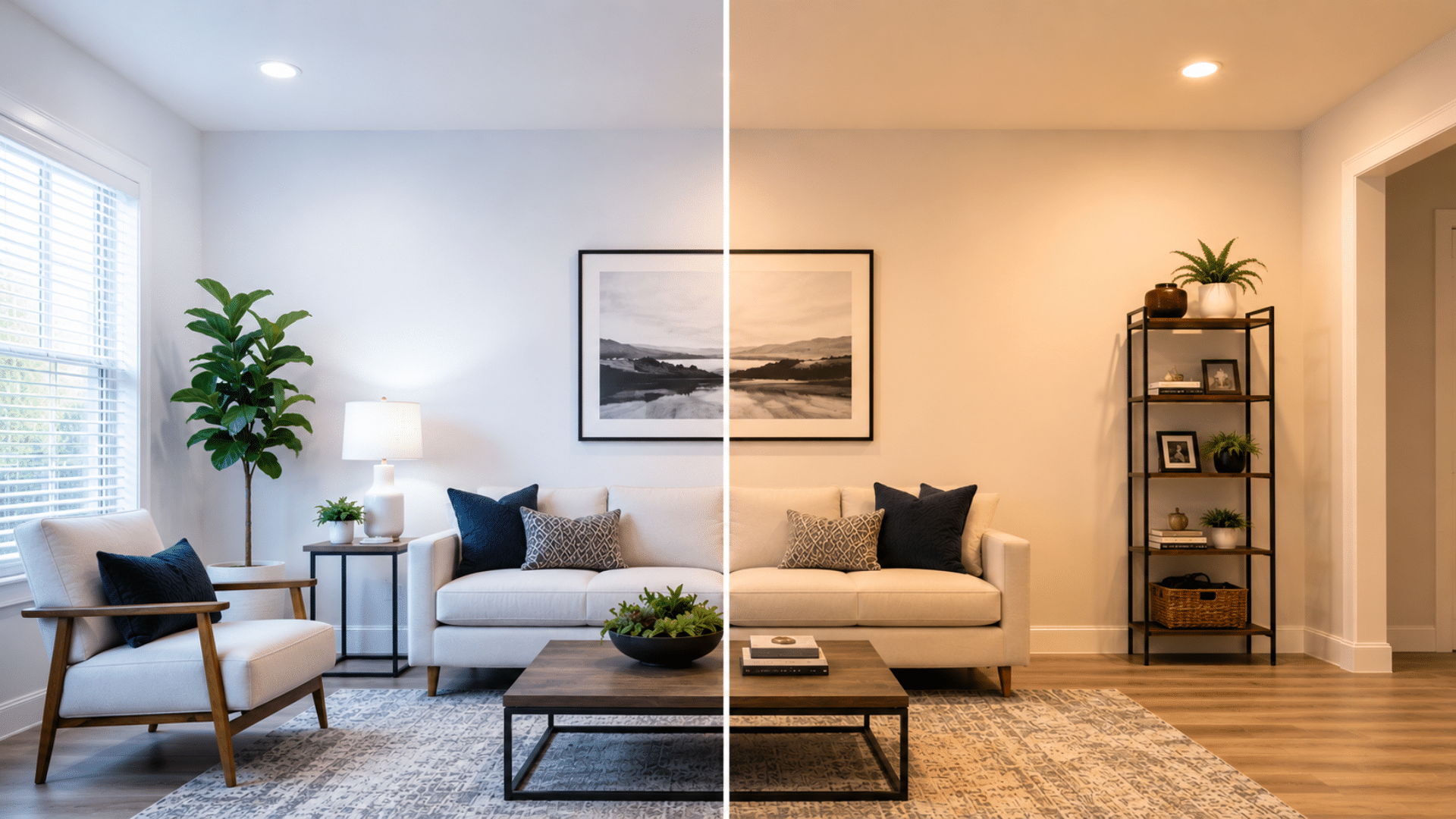
Choosing between bright white and daylight bulbs can change how a room looks and feels throughout the day. Bright white bulbs usually provide a balanced white glow for everyday areas, while daylight bulbs produce a cooler light closer to natural daylight. Understanding their differences helps you select the right option for your home, workspace, or activity needs. This comparison covers their uses, appearance, and key features to help you make a suitable choice. Read on to compare bright white vs daylight and choose with confidence. What is a Bright White Light Bulb? Bright white bulbs produce a clean, balanced glow
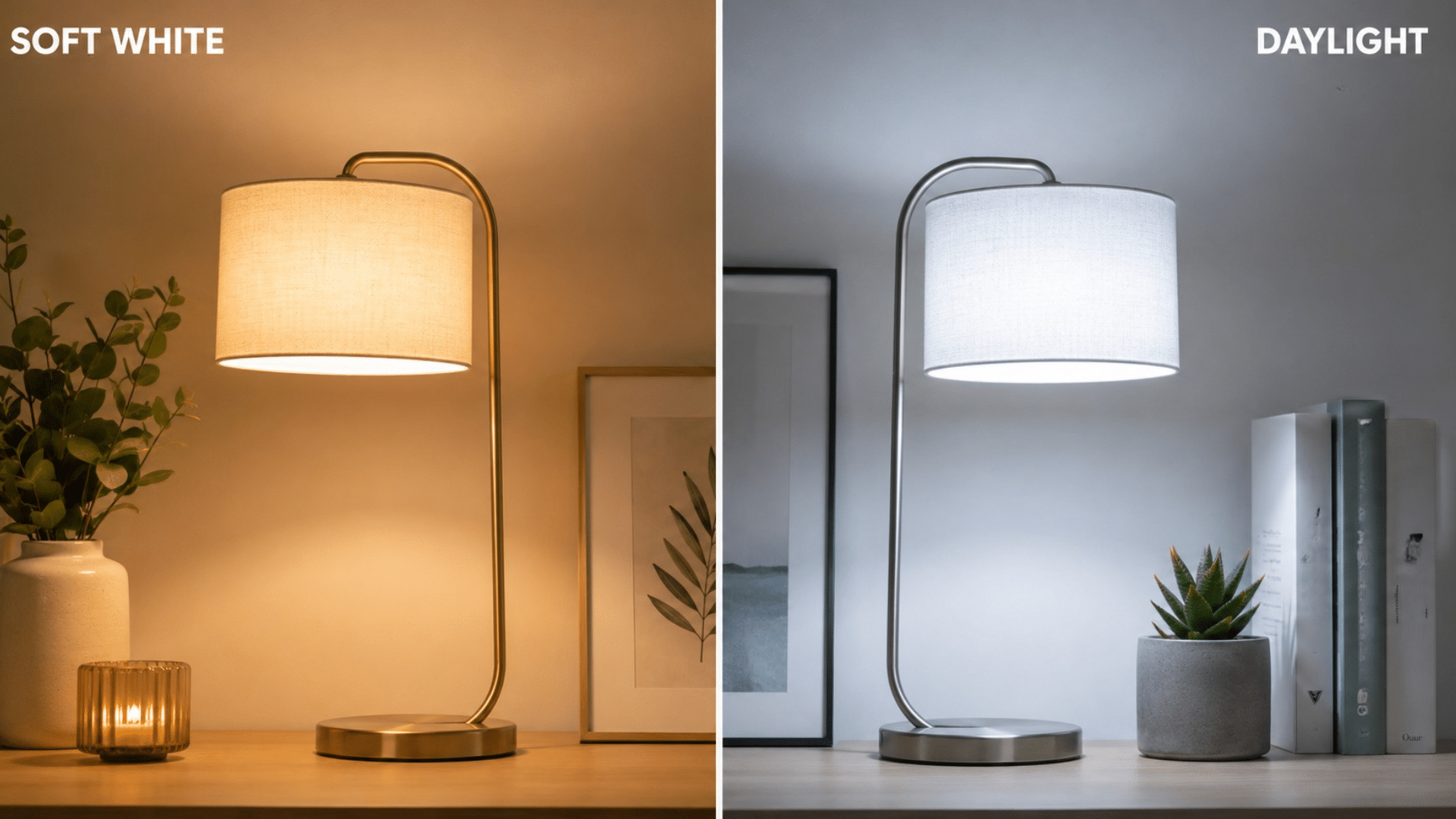
Lighting can change how a room looks, feels, and functions throughout the day. Soft white and daylight bulbs create very different results, so the right choice depends on where the bulb will be used and what you do in that space. One may suit calm rooms, while the other may work better in areas where clear visibility matters. Wall colors, furniture, natural light, and personal preference can also affect the final look. This blog compares soft white and daylight bulbs in simple terms to help you choose the right option for each room. Keep reading to find which light best
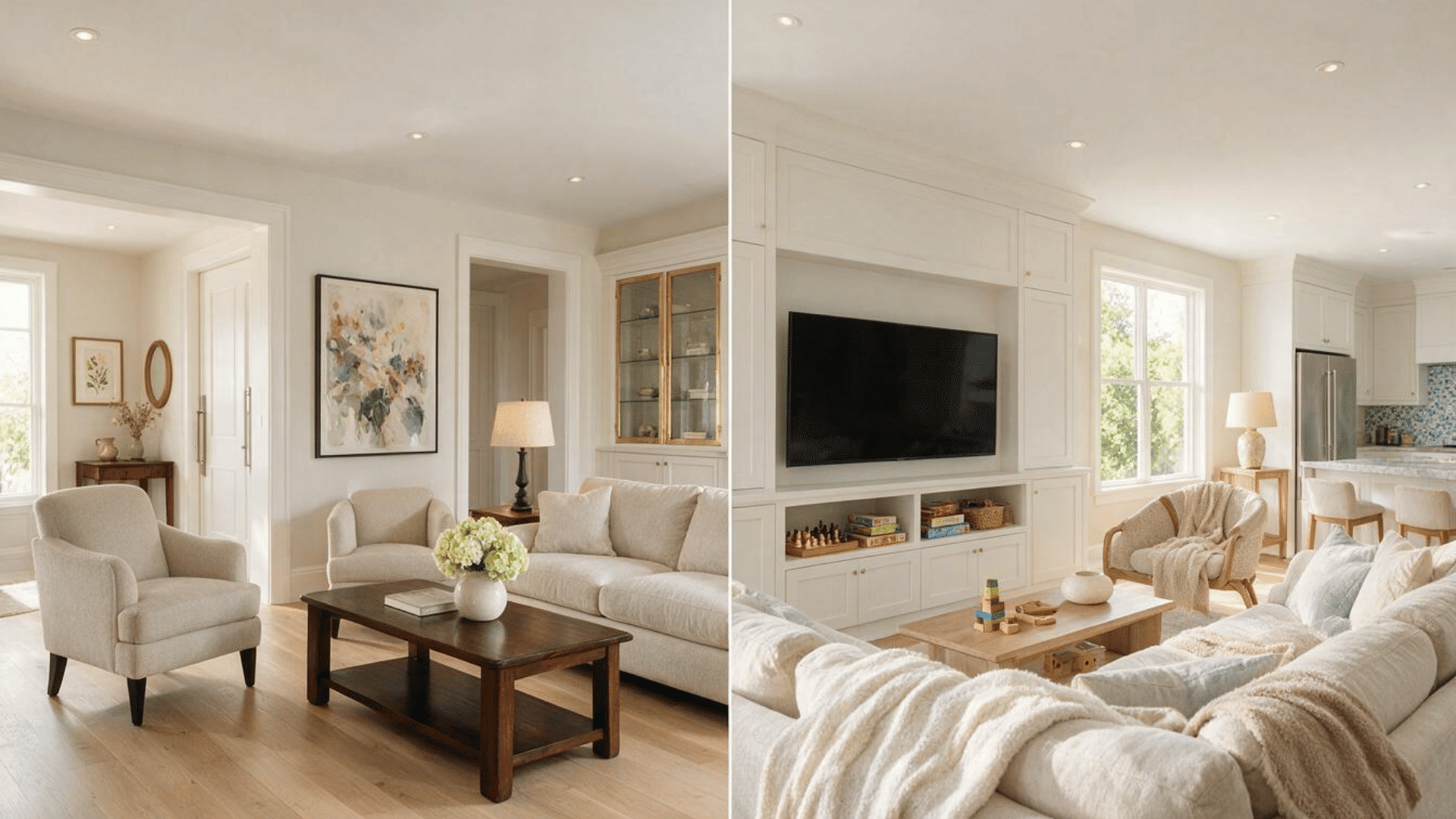
Have you ever looked at a floor plan and wondered why two rooms seem to serve the same purpose? Many homes include both a living room and a family room, but the difference between them is not always clear. Normally, they vary based on formality, use and location. The living room can be set up to receive guests or for socializing and conversations. The family room, on the other hand, is informal and meant for daily activities such as watching TV and playing games. This post shows the key differences between living rooms and family rooms, along with their typical
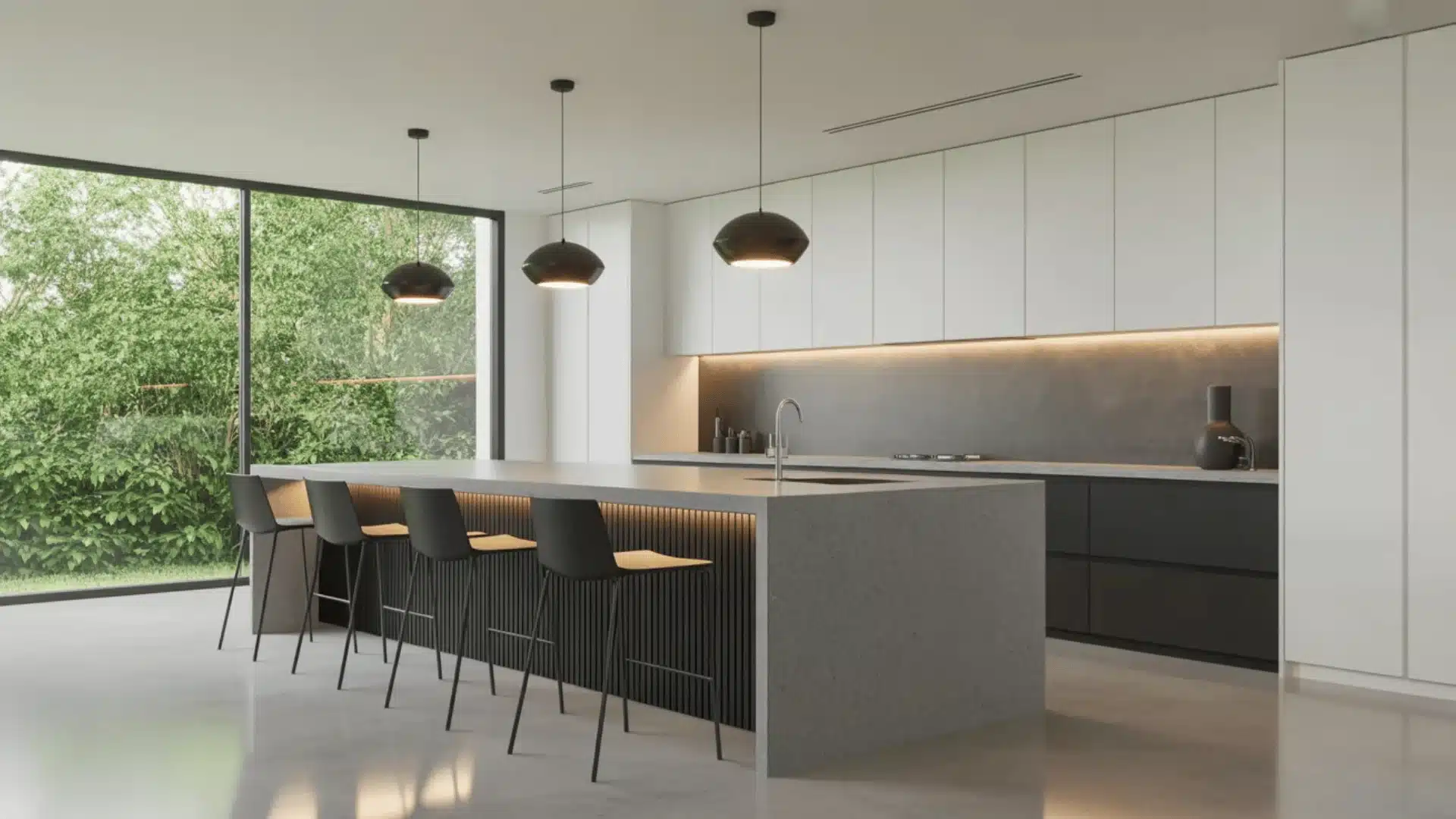
A kitchen island is meant to be the heart of the home, but it often becomes a frustrating traffic jam. Nobody wants to bump into corners while carrying a hot pot or squeeze past guests just to reach the sink. The problem is almost never the island itself. It’s the space around it. When the layout is off, that beautiful centerpiece becomes a daily headache, making your kitchen feel crowded and stressful. When it’s just right, it becomes the heart of the home where everyone wants to gather. But you don’t need to use guesswork to get it right. Understanding
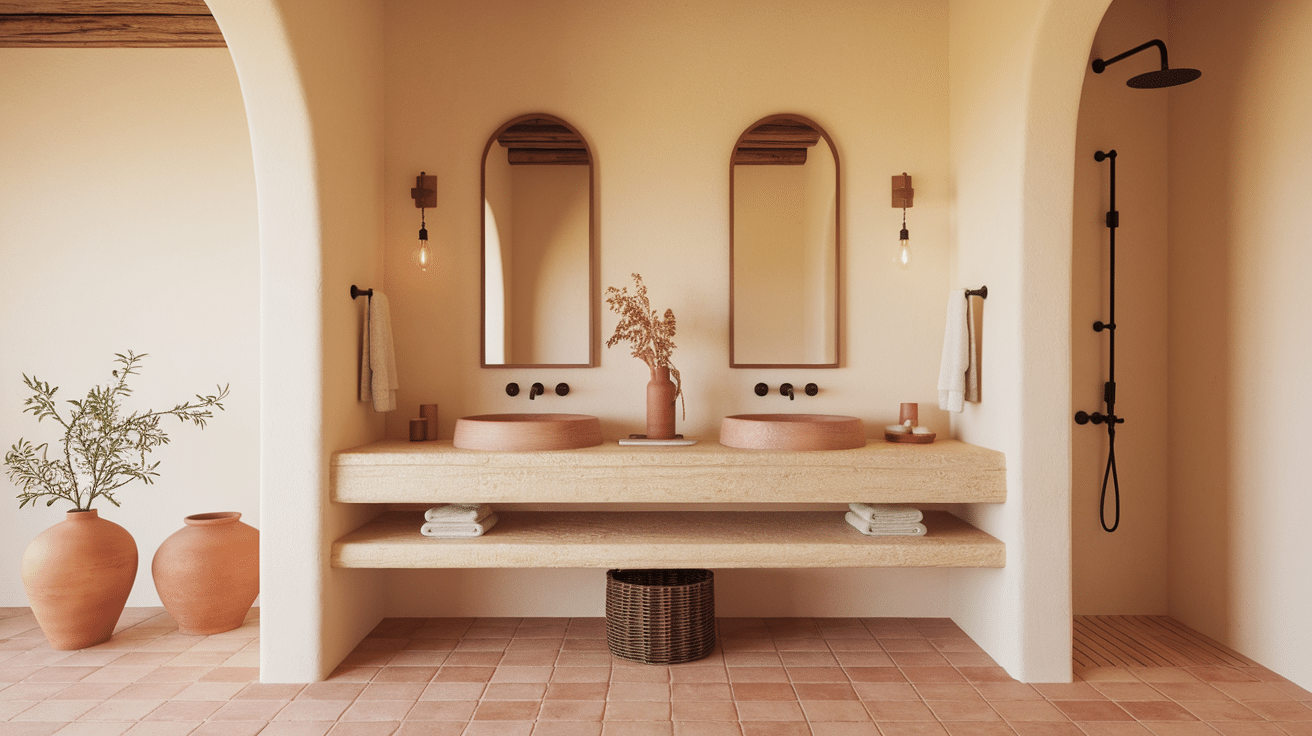
A Spanish-style bathroom has a warm and easy look that feels comfortable. I like how this style mixes soft colors, old pieces, and simple details without making the bathroom feel busy. You can bring the look into your home even with small changes like tile, wood tones, and lighting. The style works well in large bathrooms, but it also fits small spaces because the colors and textures feel natural. You don’t need to follow strict rules. Just focus on warmth, simple lines, and a few handmade touches. When you add these pieces together, the room starts to feel calm and
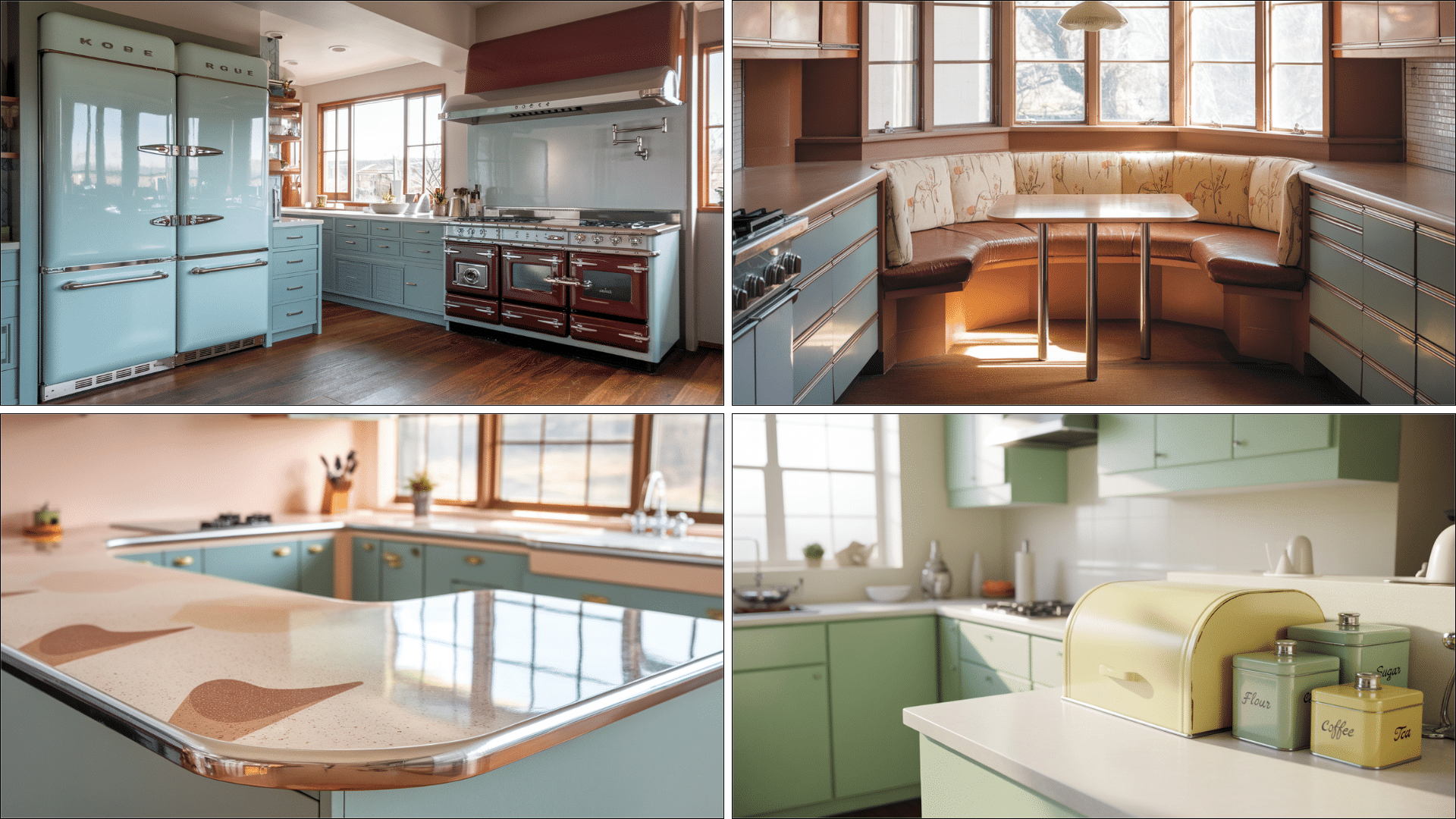
I’ve always been drawn to the cheerful, optimistic spirit of 1950s kitchens, those spaces where pastel cabinets meet chrome accents and every detail feels intentionally inviting. If you’re looking to bring that classic mid-century charm into your home, you’re in the right place. In this guide, I’ll walk you through the signature colors, materials, and layouts that defined the era, then share seventeen practical design ideas from mint-green cabinets and checkerboard floors to vintage dinette sets and Sputnik lighting. I’ll also show you real examples of original 1950s kitchens and how homeowners preserve those authentic details today. Whether you plan
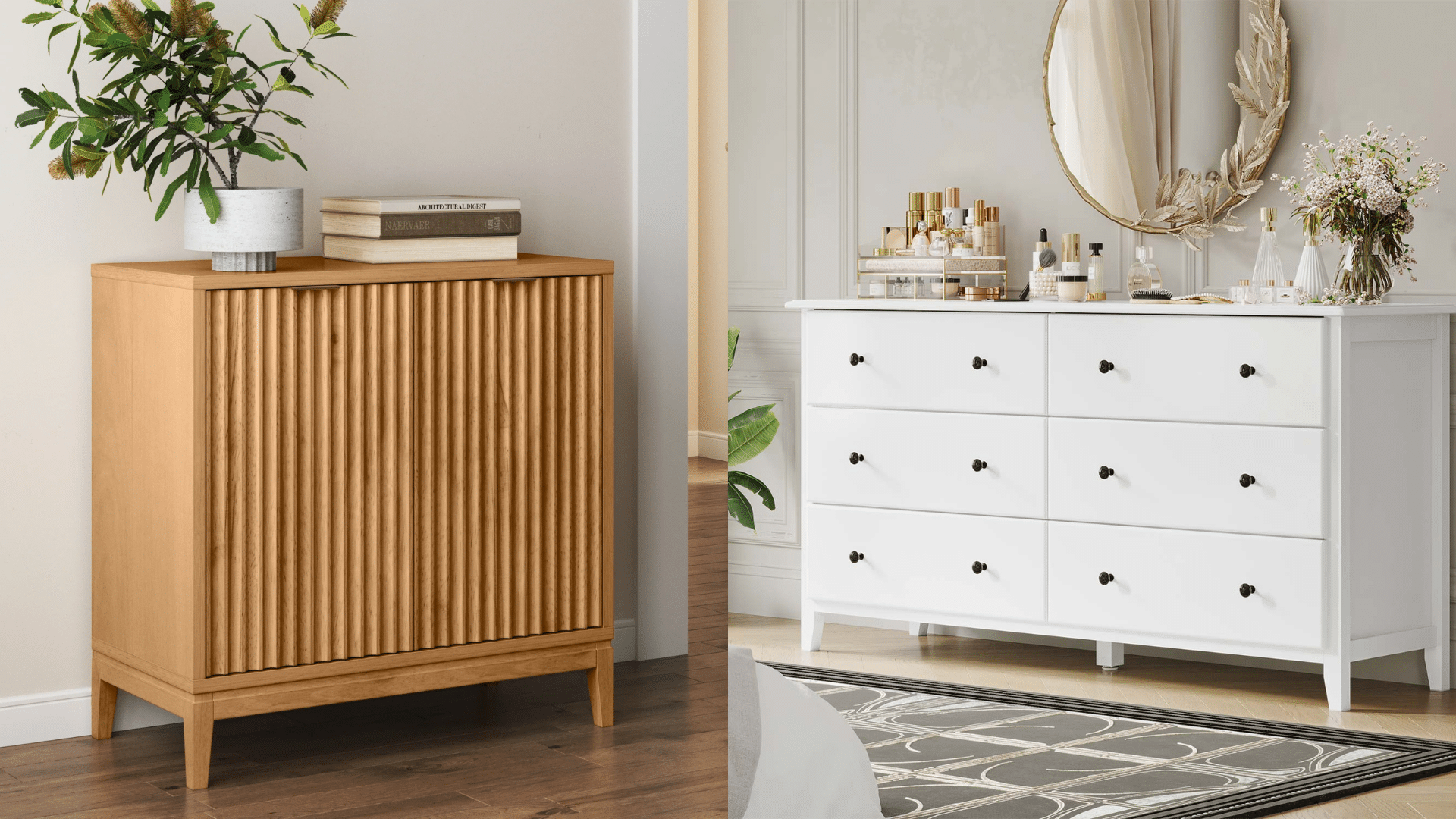
A cabinet or dresser is a choice that can shape how your room looks and how well it works. I’ve been in the same spot, trying to decide which piece would fit my space, hold what I need, and still match the style I like. In this blog, I’ll help you figure out the same thing in a clear and easy way. You’ll learn what makes these pieces different, how they’re used, and why one may work better for your room than the other. I’ll also break things down in simple steps, like: How much space do you have What
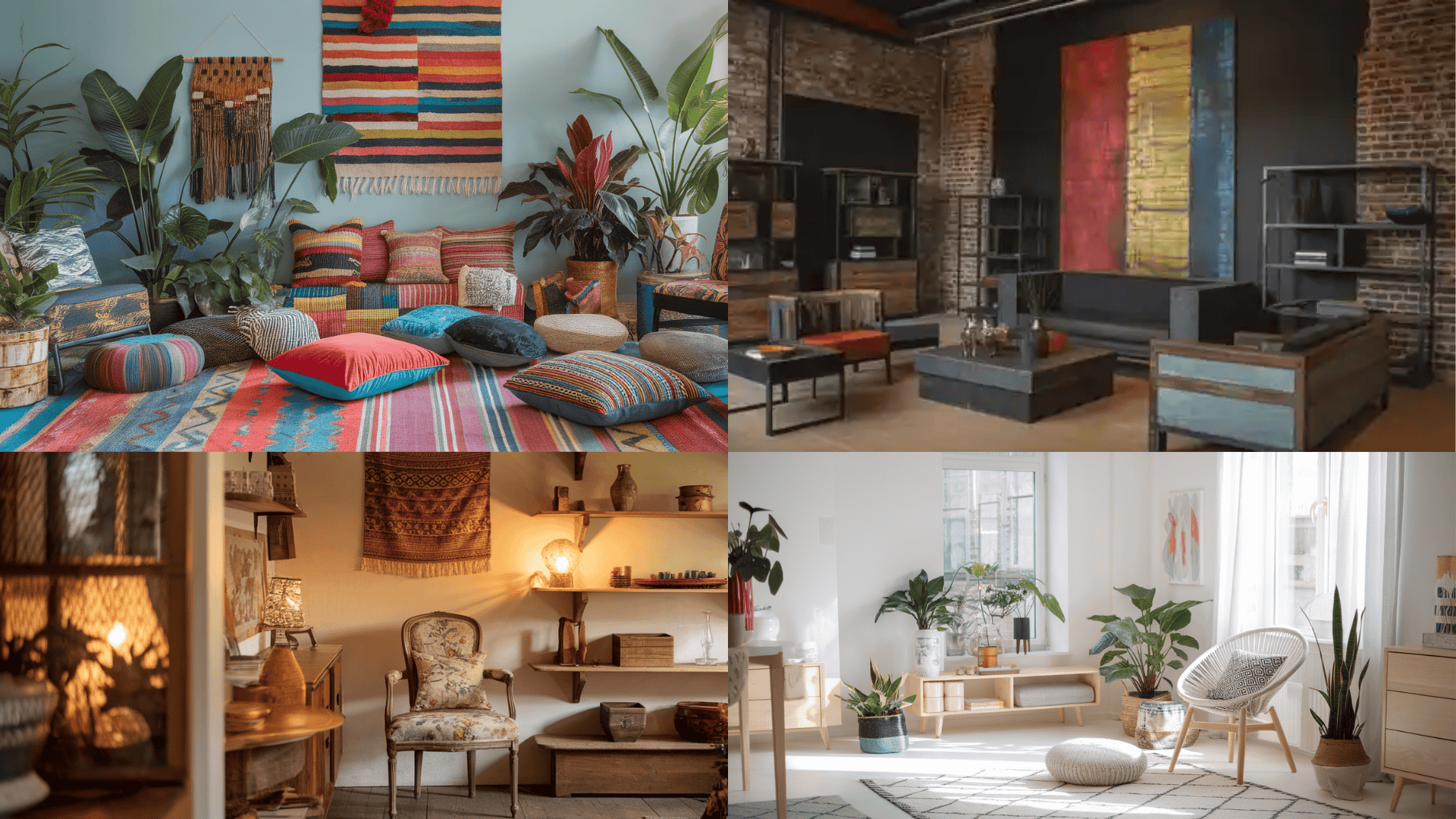
Room aesthetics are the visual and emotional personality of a space, shaped by the combination of color, materials, lighting, and furniture layout. The nine most popular room styles range from minimalist to bohemian, each creating a distinct mood as its elements work together. Choosing the right style means matching it to how you actually live in the room, not just how it looks in photos. Walk into the wrong room, and you feel it immediately, a low-grade tension you can’t quite name. Walk into the right one and your shoulders drop before you’ve even sat down. That physical response is